
Oakland County Address Sources by Era
An Oakland County historical address leaves different kinds of records in different periods. The Oakland County online land index is the most direct title trail for later transfers, but it does not prove who occupied a property. Historical city and reverse directories can supply address occupants, census schedules can identify a household on one date, and newspapers or probate files can explain a move, death, or estate transfer. For older Oakland County material, the fallback chain is the Register of Deeds counter and older indexes, then OCHS, the Library of Michigan, archival collections, and locally held books or microfilm.
| Oakland source | Located coverage | Where to ask | What it can show |
|---|---|---|---|
| Deed Super Index | Online from January 1, 1964 | Oakland County Register of Deeds and online index | Grantor, grantee, instrument, legal description, and recording date |
| Pontiac-Flint and Pontiac directories | 1860-61; 1886; selected 1895-1915 | OCHS research library | Named residents, addresses, and household clues |
| Polk, Arrow, and telephone books | Pontiac 1922-31; selected suburban issues | OCHS shelf list | Surname and address tracing between older runs |
| North/South reverse directories | North Oakland 1958, 1960; South Oakland 1967-68 | OCHS shelf list | Address-to-occupant and owner/renter clues |
| Newspapers, census, and permits | Series and locality dependent | Library, custodian, or local agency | Household, event, construction, or inspection dates |
Use the Oakland County era table to choose the first record, then add a new row only when the source is tied to the same address, legal description, or clearly identified household. An Oakland County tax roll may show an owner or occupant in one year, but it does not replace the recorded instrument.
Note: A prior owner and a prior occupant can be different people, so keep title and household evidence in separate columns.
Preserve an Oakland County PIN First
The Oakland County Property Gateway is parcel-first. Search by property address or a ten-digit PIN, then save the PIN, situs address, municipality, legal description, map location, and the date viewed. A situs address is the physical location. A mailing address is where tax correspondence goes. They may not match. Oakland County Property Gateway also supports partial address searching, the percent sign as a wildcard, partial PIN searching, comma-separated PINs, and map-click navigation.
The county says assessment information is supplied by multiple local communities, so municipal classification and update timing can differ. The Oakland County map is not a legal survey, and the available reports vary by municipality. Treat a Gateway result as the frozen starting point for a previous-residents trail, not a final statement about an older household.
The Property Gateway parcel search is the official starting image for an Oakland County address trail.
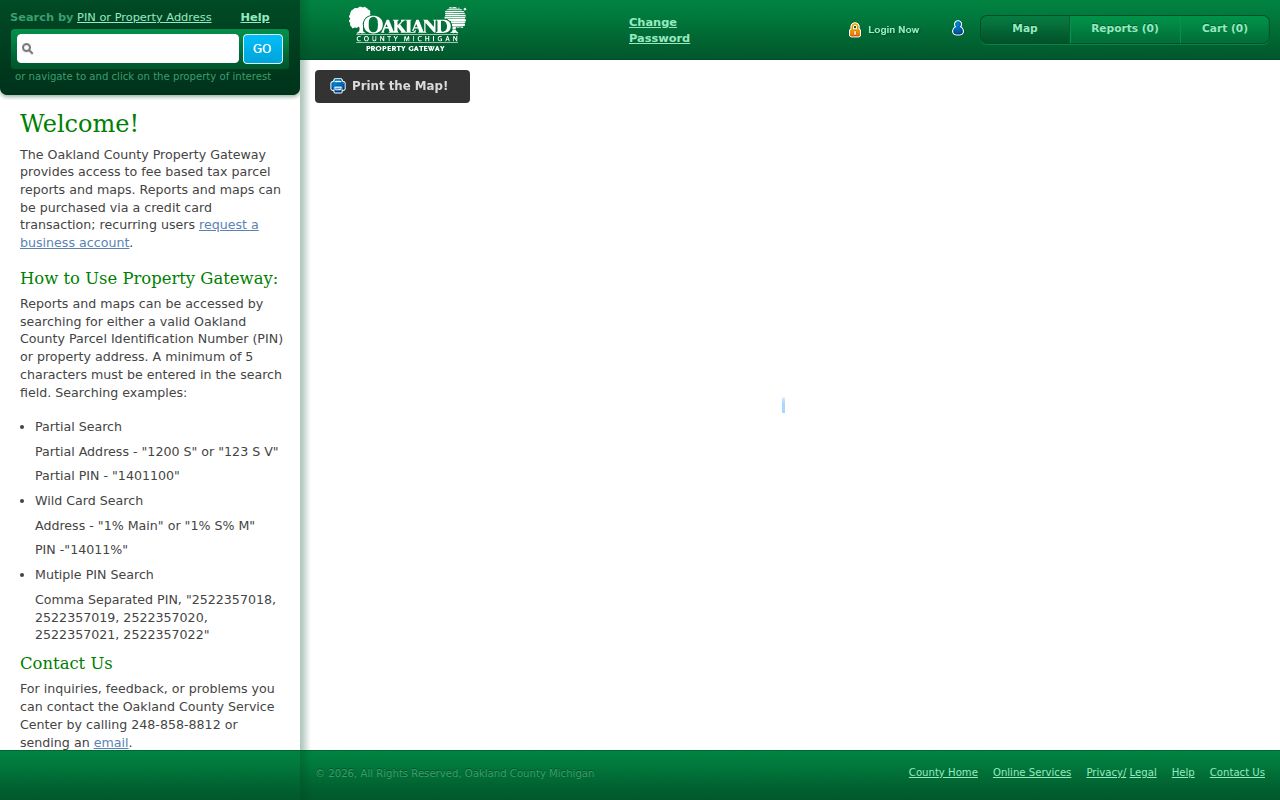
A saved Oakland County PIN and legal description make it easier to cross the point where historic records stop using the current street number.
Oakland County’s 1964 Deed Boundary
The Oakland County Super Index provides online recorded-document access from January 1, 1964. Oakland County materials describe almost 18 million land records dating to the early 1800s, with 13.7 million from 1964 available online. Indexed searching and sorting by information such as party name or ten-digit PIN are free, while printing or downloading a document costs money. The cutoff is an online-access boundary, not the beginning of Oakland County land history.
For a transfer before 1964, ask the Oakland County Clerk/Register of Deeds about grantor-grantee books, tract indexes, older deed volumes, and any imaging or microfilm route. The office accepts recorded documents by mail, title-company drop, electronic recording, delivery service, or in person, but Oakland County historical research needs a focused request for the earlier index or volume. OCHS, the Library of Michigan, local atlases, and Archives sources supply the surrounding address and land context.
The Oakland County Super Index is the online portion of the deed trail.
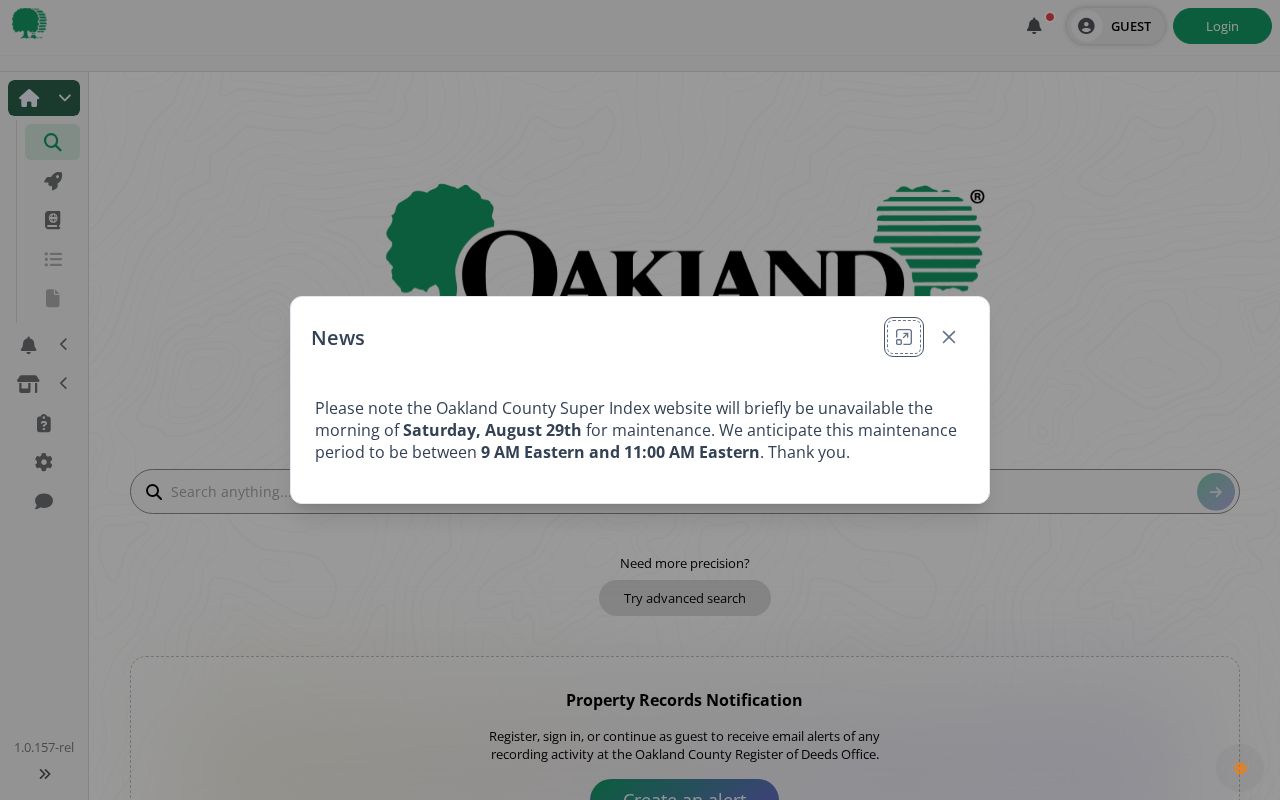
When the date falls before the online cutoff, carry the last confirmed party and legal description to the Oakland County office or Oakland County archival lookup rather than stopping at a blank web result.
Oakland County Deed Chain for Past Owners
An Oakland County chain of title follows ownership, not every person who lived at the address. Start with the latest deed tied to the frozen Oakland County parcel and record the grantee, grantor, instrument type, recording date, reception or document number, and legal description. Then search the seller as a prior grantee and repeat. If a party is a trust, estate, corporation, or survivorship estate, look for the named entity and the affidavit or probate case that explains the transfer.
- Pull the current Oakland County parcel details from Property Gateway and retain the PIN, situs, municipality, and legal description.
- Locate the latest recorded purchase or transfer in the Super Index and copy the grantor, grantee, date, and document reference.
- Search that seller as a grantee to locate the earlier purchase, then compare the legal description before adding it to the sequence.
- Repeat backward until the January 1, 1964 online boundary, noting any trust, estate, corporate, or survivorship change.
- Ask for older grantor-grantee books, tract indexes, deed volumes, or microfilm and continue with the same legal description.
- Grantor
- The person or entity transferring an interest in the recorded instrument.
- Grantee
- The person or entity receiving that recorded interest.
- Chain of title
- A dated sequence of recorded transfers connected by parties and the same property description.
- Legal description
- The lot, subdivision, parcel, or land wording that identifies property more reliably than an old street label.
Make an Oakland County dated row for every transfer: source, party role, instrument, address or legal description, document number, and confidence. That record keeps an owner’s chain separate from a later directory occupant.
Reverse Directories for Oakland County Addresses
Once the deed chain supplies a date range, reverse directories answer the Oakland County occupancy question where their coverage fits. North Oakland County Criss-Cross editions from 1958 and 1960 arrange entries by address. Bresser’s 1967-68 South Oakland County cross-index can list street, number, occupant or business, phone, owner or renter notation, and first-listed or relocation information. Pontiac’s 1930 Arrow Street Guide and the 1931 telephone directory offer other address-led paths. These sources are snapshots, so pair them with the transfer date rather than assuming continuous residence.
The Oakland County Historical Society shelf list identifies the exact Oakland County editions and local geographies. The related historical city directory collections are covered in more depth on the Oakland County Directory Book page, while this trail uses them to answer who lived at one address in a particular period.
The Oakland History Center holds the research library that supports this address-directory step.
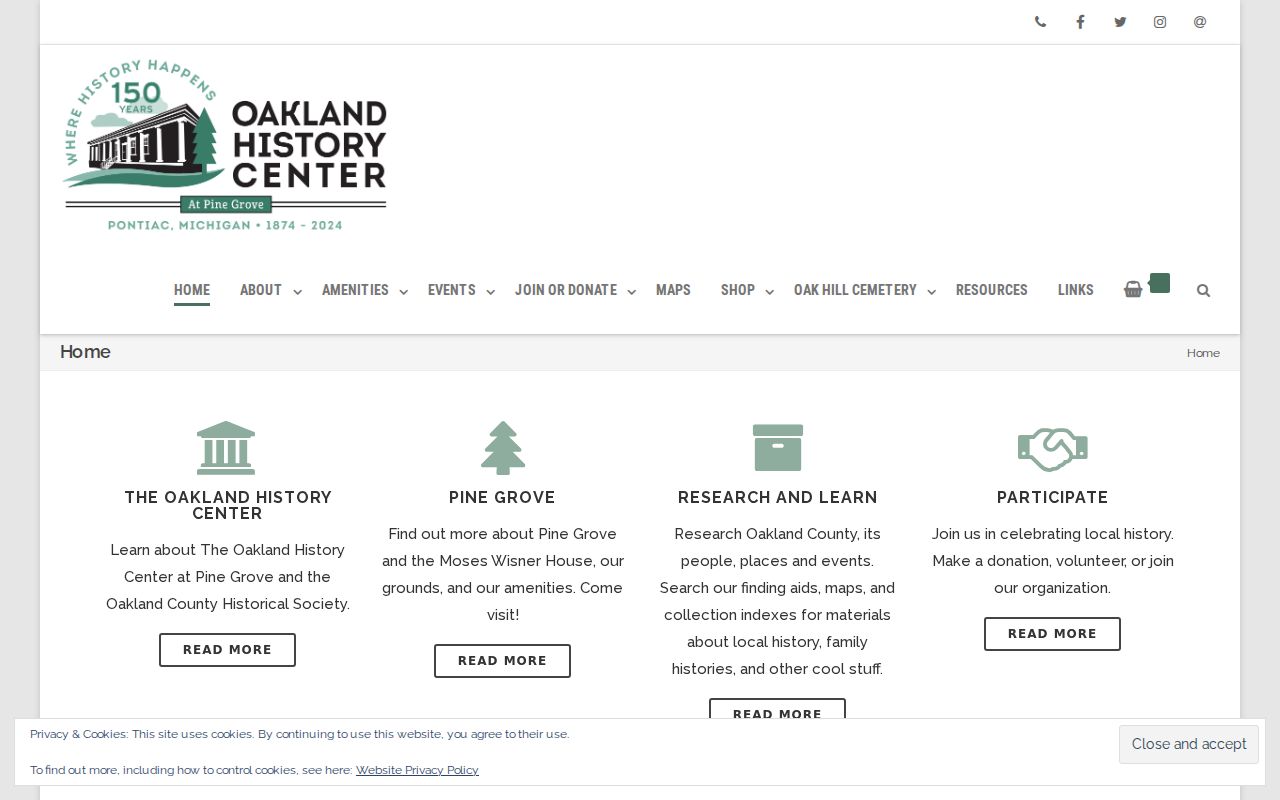
Bring the Oakland County street, number, community, and estimated year range, because the staff needs those details to choose an appropriate Oakland volume.
Maps and Tax Clues for Oakland County Addresses
Before a modern street address existed, Oakland County records may use a legal description, township, lot, subdivision, or nearby landowner. The Library of Michigan Oakland County guide points to the 1857 Map of Oakland County, the 1896 illustrated atlas with landowner maps and directories, the 1908 atlas and patrons’ reference directory, a 1930 plat book, and “First Land Owners of Oakland County.” Oakland University’s historic tax-roll description includes owner or occupant, legal description, acreage, parcel value, personal estate, and several tax amounts. Those fields can bridge a later house number to older land evidence.
Sanborn maps, plat books, and atlases help date the physical address or neighborhood, but an atlas landowner label is not a deed. Oakland County research found no official countywide street-renumbering year. When an old number fails, search the plat, subdivision, former township, adjacent owner, and legal description, then mark the match as unverified until a local map or clerk record confirms it.
The OCHS shelf list is one route to the local historical resources used beside an address trail.
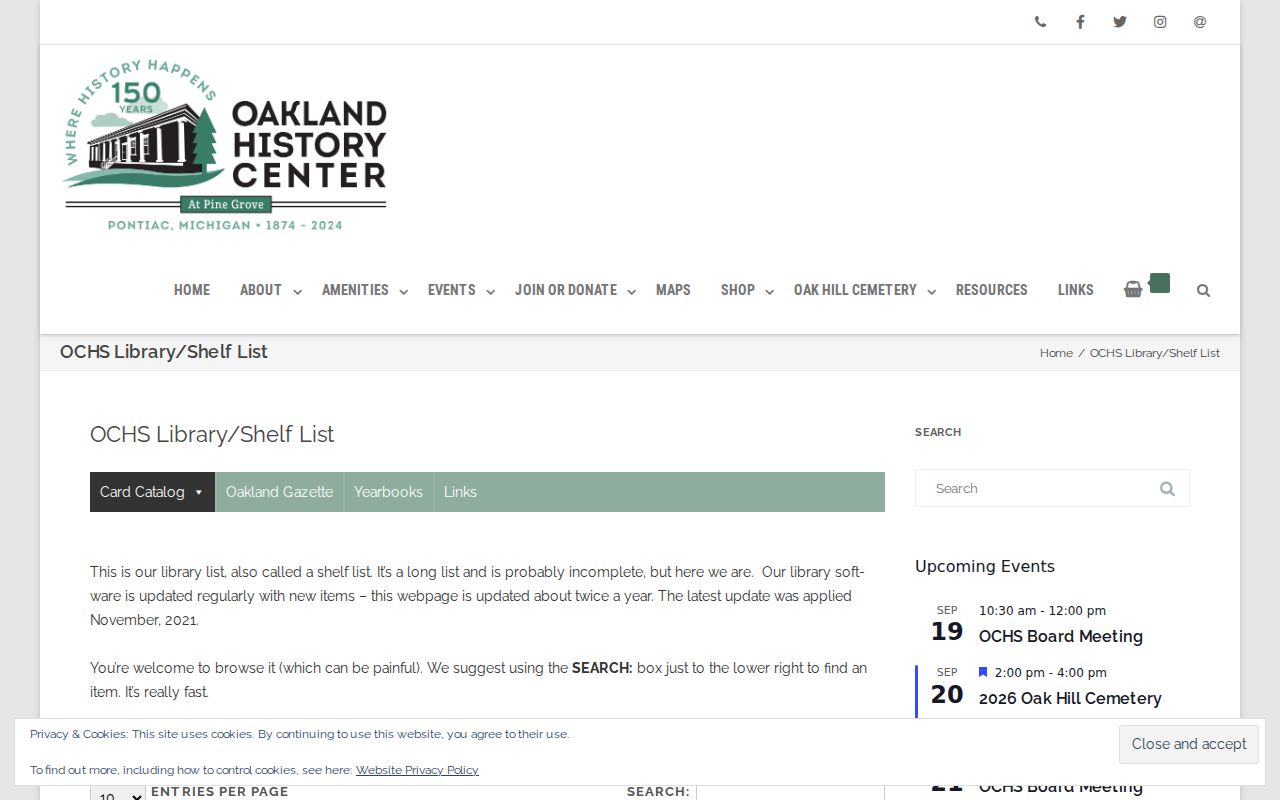
Use Oakland County maps and tax material as context for the address, then confirm transfers through the deed chain and occupants through dated household records.
Note: Postal city, ZIP, CVT, PIN, and legal description are different Oakland County labels and should remain together in the research log.
Oakland County Household Evidence
Oakland County former occupants are often renters, boarders, or relatives who never appear in the recorded deed. Pair an Oakland County directory or reverse-directory date with the released federal census, which follows the National Archives 72-year rule. The 1845 state census named in the Library of Michigan Oakland County guide is an earlier local anchor. A directory can include a head of household, a phone subscriber, a business, or a boarder. A census captures a household on its own enumeration date. Neither proves uninterrupted occupancy.
For an Oakland County disappearance, turn to Pontiac newspaper microfilm, obituaries, and probate. Pontiac Public Library’s microfilm span is 1835-2019, and staff can search a narrow date window for $3. The Library of Michigan guide also identifies the Birmingham Eccentric obituary index for 1878-1977 and a broad set of Oakland newspaper titles. A probate record can explain a post-death transfer, while a newspaper may provide a move or death date that belongs beside the directory entry.
Address and PIN → recorded transfer → reverse directory or city directory → released census → newspaper, obituary, or probate confirmation.
Lawful use. Oakland County house-history and family-history research should stay personal and lawful. Do not use a historical address trail to stalk, harass, or harm any living person.
Oakland County Address Trail Endpoints
Oakland County estate records can connect an interested party, a change-of-address entry, and a certificate of completion to a deed-chain question. Oakland Probate offers a name search to find a case number, after which Court Explorer can be searched by case number for the related public trail. For a copy, follow the Probate Court workflow instead of assuming the online index contains the complete file. Court Explorer’s online public records generally reach the early 1990s; older files are a clerk counter or mail request question.
Recent electronic services have limits too. Oakland County launched MiPropDocs in October 2024 for certain document types and received a 2025 NACo Achievement Award, but deeds transferring ownership and mortgage-foreclosure documents were excluded at the time of the county announcements. That means a convenient electronic-recording initiative does not replace a deed search for earlier owners or ownership transfers.
Oakland County local building, code, septic, well, and soil-erosion files can add construction or inspection dates, but their coverage varies by community. Oakland septic files are retained for 18 years, while other local portal availability depends on the current series. Use an Oakland County narrow address-and-date request when the local record is not online. A permit may identify an applicant or alteration, yet it is supporting date evidence rather than title or occupancy proof.